
Be yourself; Everyone else is already taken.
— Oscar Wilde.
This is the first post on my new blog. I’m just getting this new blog going, so stay tuned for more. Subscribe below to get notified when I post new updates.
Be yourself; Everyone else is already taken.
— Oscar Wilde.
This is the first post on my new blog. I’m just getting this new blog going, so stay tuned for more. Subscribe below to get notified when I post new updates.
The video of Hillary Clinton C-Span video referred to African American youth as super predators also known as gang of kids. The “superpredators” term originated in a 1996 speech, where Hillary spoke in support of the 1994 Violent Crime Control and Law Enforcement Act, which her husband, Bill Clinton, had signed in to law. This bill was signed to reduce the number of African-Americans being killed in drug-related incidents, which ultimately has drawn criticism in recent years for sending disproportionate numbers of African-Americans to prison.This statement just goes to show be careful of anything you say because it can come back and haunt you. This speech H. Clinton gave affected her campaign running for president because many black lives matter activist felt as though african americans deserved an apology for her statement. Word choice is important because people perceive information differently. Being clear is important when trying to send a message and Hillary clearly failed with this speech because her word made her sound racist. The backlash from her comments made her clear her behavior up but sometimes you dont always get second chances to do so. The negative connotation behind Hillary’s choice of words has definitely impacted many people’s opinions on her in a negative way.
Summer of Gods is a thrilling short drama film created by Eliciana Nascimento that will
catch your attention the first few minutes you are tuned in. It is only 20 minutes long, which
allows the audience to be glued to the screen and have a clear understanding of all the events
happening, character relations and plot. The film is spoken in Portuguese but has accurate
subtitles to allow the audience to follow along. In this film the main character is Lilli played by
Isabela Santos who she visits her grandmother. This story takes in the summer months in Rural
Brazil, the popular northeast part of Brazil to be exact. In this film religion in an important value
to the Brazilian Culture. With Brazil’s dedication to their religion, they have many traditions to
celebrate. In the film Lilli’s grandmother oversees an annual celebration for the Orisha Yemanjá.
This celebration consists of showing gratitude to their god by participating in a ritual to give
back appreciation to all the things they have been blessed with. This tradition is a repeating event
amongst the culture but this summer it is now in jeopardy and Lilli is faced with a challenge to
save it all. Lilli is presented by goddesses and higher authority to save the day. Throughout
Lilli’s journey she is going to discover herself more internally, as well as understanding her
external perspective she already knows. By connecting these two Lilli begins to gain knowledge
on her identity
Overall this pan African themed film will make you feel wholesome. It covers a journey
that allows readers to see a clear problem and the process it takes to over come it. This
demonstrates that when situations seem terrible, circumstances can always grow to be better. The
resilience Lilli displayed on her mission, can inspire young and older viewers that when things
get tough from having a lot on your back, you must keep going. With the use of slow toned
music throughout the film it adds a dramatic effect to the plot. The slow choice of music can
natch the audience in emotionally. The use of pathos throughout this film allows the audience to
have an attachment to the main character Lilli. This allows the audience to have a feel for what
Lilli is experiencing internally.
One of the themes in this film was religion. Religion is important amongst people of the
African diaspora because it’s what connects a community together, get one another through
hardships and maintain a sense of clarity. Although people of the African Diaspora are spreaded
out amongst many regions, core values remain the same. This is demonstrated in the film that
their religious tradition is important because no matter what, they wouldn’t let the tradition die.
Passing down the tradition from generation to generation shows that families of the African
diaspora instill values to make life enjoyable and they fight hard to keep their culture alive
because many times it has been attempted to be washed away. But yet it continues to remain strong.
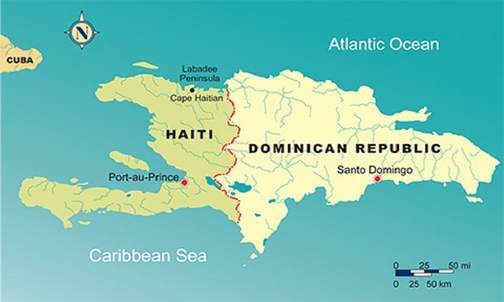
After watching the video i was able to conclude that Haiti and Dominican Republic had many differences . After watching the video i was able to see that the living standards in the DR is higher than those in Haiti. Dominican Republic is filled with vacation resorts and overall weather and thriving. While Haiti is drowning in poverty. After being presented with that information , i quickly asked how did this come about when they are so close in proximity. I was able to learn from the video that different colonial past played a huge part with the two countries. With Dominican Republic gained its independence from Haiti, not Spain, in 1844. This created a separation between the two regions which led to DR prospering. Also the geographical features of both countries sets them apart. Haiti faces more. For example the mountains are different two regions and that chases the The northeast trade winds and rain to blow in the Dominican Republic’s favor. With this occurring that makes Haiti not benefiting because it makes the cultivation more challenging. The development of crops became harder in Haiti but continued in Dominican. Republic which allowed the DR economy to succeed
After reading the article ( https://slate.com/news-and-politics/2016/08/the-history-behind-colin-kaepernicks-malcolm-x-meets-fidel-castro-t-shirt.html ) I concluded that Fidel and Malcolm X was beneficial to helping Cuba as a nation.
Fidel Castro was a political leader of Cuba from 1959-2008 who made Cuba become the first communist state in the western hemisphere. In his early life he was born in southeastern cuba. He attended roman catholic boarding schools during his childhood. In 1945 he studied law at the University of Havana , where he was heavily involved in politics. By 1947 Fidel joined an abortive attempt with other cubans and dominican exiles to invade the domican republic and overthrow their general. He also was a part of riots that took place in 1948 , which occured in Bogota, Colombia. Overall , some of his achievements include social reforms in education, medical care and road construction, as well as the government’s policy of “direct democracy”.
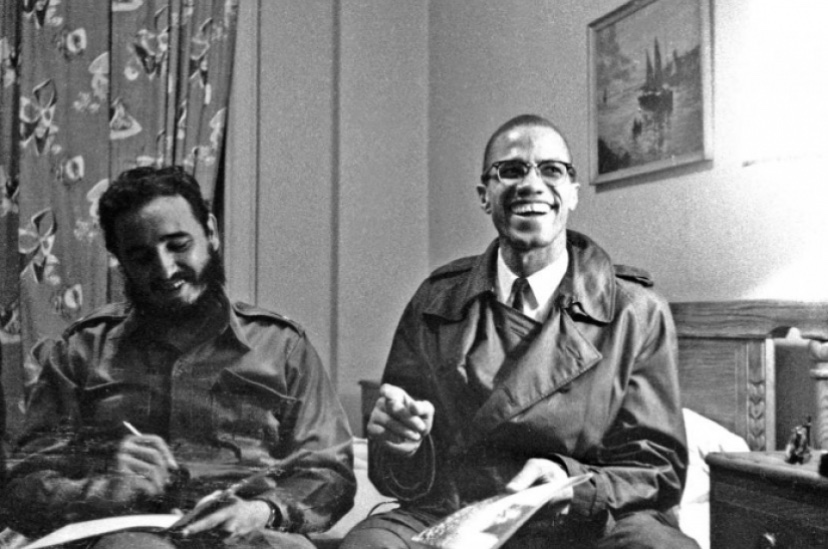
Unlike Fidel, Malcom X was born in Omaha Nebraska in 1925. He was an African American leader and a well known figure in the nation of islam. He is best known for his advocacy for human rights, racial discrimnation and being a popular figure during the civil rights movement in the 1950s-1960s. Throughout time with Malcolm’s efforts was able to grow the nation of islam estimated by 400 members. Both Fidel and Malcolm stood up for what they believed in and took the effort to physically make the change.
The article “ When Malcolm X met Fidel Castro” was written by Rebecca Onion and published on August 30,2016. This meeting particularly was important to the cuban society because it demonstrated international relations.Many Americans of African descent believed that they shared a common cause with other people who had been oppressed abroad, including Afro-Cubans.The two leaders covered topics including racial discrimination in the United States, U.S.–Cuba relations, and Castro’s plans for his speech to the U.N. General Assembly. This helped Cuba as a whole because it resulted in the cultivation of ideological and political bonds between African American progressives and Cuban revolutionaries.
The article including Arabia Mollette relates to Fidel Castro and Malcolm X .The whole theme based around Fidel and Malcolm was to discuss similarities of how minority groups experienced oppression within society and shared ideas of how things can change. The article relating to Arabia Mollette and Cuba discusses how Fidel made contributions to less fortunate students to help pursue their dreams. Also in the article written by Reuters, “Cuban doctors head to Italy To Battle The Corona Virus. it discusses more modern day issues involving COVID-19. By discussing Cuba’s diligence , it demonstrates how the nation as whole is active in creating better outcomes for their society. It states how, “ The Caribbean island has sent its “armies of white robes” to disaster sites around the world largely in poor countries since its 1959 revolution.” This shows that Cuba is a reflection of helping those in need. Although this article doesn’t relate directly to Malcolm X or Fidel Castro. Some of the values Fidel Castro represented while he was a leader beginning in 1959, definitely could have influenced the nation as a whole to continue to advocate/fight for those in need. Some of policies Fidel introduced while being in power included central economic planning, expanding healthcare and education were set into place to help the citizen of Cuba. Abroad, Castro supported anti-imperialist The Portside.org article also discusses how Cuba was ready to deal with the effects of the coronavirus. Over the course of years being considered a poor country, they were still able to establish systems such as medical advancements, health care for citizens..etc to help respond to drastic situations such as the coronavirus. This still shows Cuba as a country works together to help benefit their own and even give aid to others in need. Overall although there are mixed views on the type of leader Fidel Castro was, he. did have some good aspects to his leadership that allowed Cuba to thrive even until modern day because of his contributions made back then.

MEDIA LITERACY PRIMER
*Questions to ask about any item of news or information on the web and in general
Questions to ask about your own social media practices?
South Africa needs hundred of thousands virus test
This article covers South Africa. It was written by JOHANNESBURG. The source was written in English. Reuters owns and controls it. They are the world largest international news agency, with over 2400 staff in about 150 different countries. It is a wholesaler of news – in the form of text stories, photographs and video footage – to the media industry. Clients pay a subscription which entitles them to use Reuters news stories, pictures or video footage in their papers, magazines, websites or news bulletins. Reuters covers the main political and economic news from all the countries it is based in, as well as some that it isn’t allowed to operate from such as Iraq and Angola. It also covers financial news about the leading companies of a country, its stock market and its local currency. The rest of its news output consists of coverage of major sports around the world such as football, tennis and golf; major disasters ranging from train crashes to volcanic eruptions; and stories about bizarre events. It also stated Whatever medium the journalist is working in – text, pictures or video – he or she needs to check their facts. If it’s a text story the journalist will ring the subject of a story and ask for an official comment. They will probably ring a few experts to get their opinions – unlike newspapers, agencies never give their spin to a story, their job is to report the facts and the reaction to them. Both photographers and cameramen also have to check their facts so they can write the accompanying caption or script to go with their photos or video footage.
Students and Faculty Grapple with Virtual Challenge as Colleges Move Online.
This article was written by Kate Payne a student of University of Iowa who is studying abroad in Sierra Leone. This source covers her experience in Sierra Leone, as well as United States of how she is impacted due to new rules and regulations set into place for protection. This source is written in English. Iowa Public Radio owns this source that was created in 2004 by the Iowa Board of Regents to manage the radio groups of Iowa State University, University of Iowa and University of Northern Iowa. This statewide public radio network (a total of 26 stations) now serves 250,000 listeners with three programming streams: News, News/Studio One and Classical. IPR’s combined radio groups serve rural and urban Iowa, touching all of Iowa’s 99 counties. Overall the mission is to Iowa Public Radio enriches the civic and cultural life in Iowa through high quality news and cultural programming.
Cuba suspending international, commercial flights in and out of country.
This article was written by WSYR-TV staff. This source covers the united states but particulary focusing on Cuba not excluding other countries that may have citizens traveling to and from Cuba. This source was written in English. Local YSR.com owns the media and have all control over what is published by their journalist. The mission of the media outlet is to update readers on current events and keep people up to date on what’s happening in the world. It provides access to videos to see people’s personal experiences affected by the non-travel rule. Also shares links to other rules and regulations have set into place.

While studying Cuba i learned that you can’t take photos of military personnel, police officers, or airport personnel in Cuba, as this is illegal. I found this interesting because although it isn’t illegal here in America i connected it back to how when police are arresting or performing a form of police brutality they try to tell citizens to put the phone down or don’t record. Although different laws apply here in the USA and Cuba i found similarity in the police force trying to make situations extremely private. After learning about Cuba i learned that they were very controlled and couldn’t have a sense of freedom within theirselves. Until 2008, Cubans were not allowed to purchase their own computers or cellphones. Although technology wasn’t as popular back then. Here in the USA it was still used and growing, especially cellphones to communicate with family or friends. It must’ve been hard to live under those circumstances during that time period because expressing your own individually seemed impossible. In 2008 many Americans had a variety of flip phones .. etc to express who they are through the color of it , the designs they chose to have on their phone ..etc But in Cuba that wasn’t a reality until 2008 because they had a lot of strict rules that you couldn’t bend and had to follow.
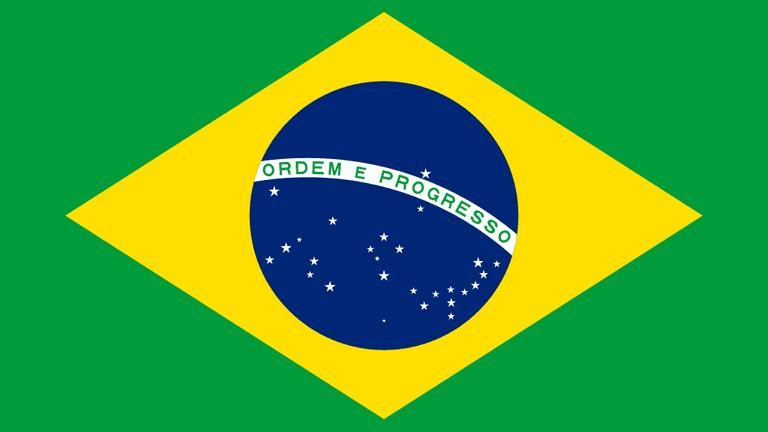
During the Atlantic Slave Trade that lasted from the 15th to the 19th century ,Brazil imported approximately 5.1 million enslaved Africans. Brazil’s Proximity to Western Africa was a benefit to the trade because it was an easy route to transport resources such as gold,spices and cotton for slaves to be sent to Brazil. Brazil to Western Africa was under two thousand miles from each other and eventually Brazil became one the many countries apart of the triangular trade route. This explains why Brazil had most of the slaves due to European’s demand for workers in their plantations in Brazil. This produced Brazil to become one of highest sugar producing regions due to their high slave working population.
The asiento is the reason why Brazil is so popular.It granted permission for Negroes to shipped into spanish america. This created a long lasting cycle that originated in 1502 when slavery began in Brazil due to the Atlantic slave trade and high demand of work needed in the region. On the large country in South America , many slaves worked vigorous hours for 386 years to help increase the European’s economy by force. Many Brazilians including John were amongst the brutal behavior of slavery to grow and produce raw materials. During this time John and his peers were forced to work in unsuitable conditions including extreme weather for multiple hours to produce sugar cane. Sugar cane is another reason why Brazil is so popular. Growing sugar in Brazil was the perfect place because of the weather conditions. It was all about sugar from the 15th to the 16th Century. Slavery continued and focus on products began to shift , which consisted of gold and diamonds. This caused 1.7 million more slaves to be shipped to Brazil because of the high mining demand needed. As time went on slaves including John were physically abused such as being shackled by their feet, whipped and treated in any way possible. Snatched from their homeland , the slaves culture and sense of self was slowly but surely being erased but John and other slaves refused to allow it to happen. The slaves were so fed up with the behavior the Europeans were doing so, John and others came up with tactics to keep hold of their heritage and protect their selves all in one creatively. Along with tactics of capoeria , which was a martial arts form disguised as dancing to protect their selves, they also began to escape and get away from the violent actions that occurred on the plantations.
John and his peers , Sam and Alex escaped from their plantation to find sense of their self and live life more freely away from the torture they were experiencing. John and his peers founded the Quilombos for their selves and other escaped slaves. It was a community that consisted of less than 100 people. Here in the Quilombo community they continued to practice the art of capoeria to instill into their Brazilian culture . As time went on Brazil eventually abolished slavery in 1888. But unfair treatment wasnt quite over yet.
With the ending of slavery , Brazil now became a very diverse land and stood proud with the unity they demonstrated unlike other places. This is true because John and his two friends Sam and Alex were all different but still the same in the end. Just different complexions but they all came from the African diaspora. Brazil now was considered a hybrid nation because it was Africans, Europeans and even mixed races residing in the country but oppression still occurred. The Branqueamento tactic was used to create lighter skinned offspring by having children with white people to diminish the people of African descent on the land. Also Brazil paid for over 4 million Europeans to be sent to Brazil to whiten the population. Brazilians also developed a systematic color system which defined individuals based of their skin tone which still was a way to create separation. Although John and his friends experienced various types of oppression and ways of separation , they never lost touch with their culture. They still ate rice , beans and many other indigenous crops from their homeland which was rooted from Africa. The dance moves used from capoeria was still used to celebrate.
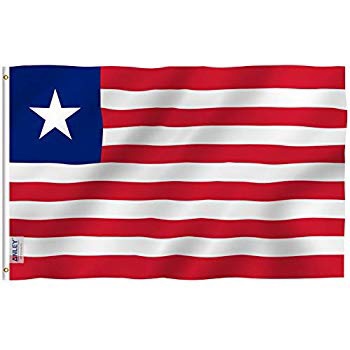
In class we had a presentation presented by Professor Redd. She discussed key points of Liberia and introduced their culture to the entire class. Through this presentation i learned that Liberia is a republic. A republic is a country that runs its own business not colonized by another country. This formed in January 1846 when fully encouraged the independence of Liberia. Throughout the journey of Liberia it has developed over 19 different languages. Also Liberia is a mixture of black people around the world. Including people from Jamaica , Barbados , Panama and more because back then they decided to go back to Liberia because Liberia welcomes every black person. With that being said , in Liberia you must be a black person to be a citizen. I found this interesting because i never heard of this before. Professor Redd explained that Liberia is a refuge for black people to have their own home and community for blacks only. I never knew a place like this existed because it is beneficial to everyone of African descent. Especially being an African America experiencing racism here in America. It would make you think everyone should go back to Liberia to be in a place where everything is unified and not separated like it can be here. Also in my own idea i compares Liberia to like an HBCU. Both establishes better experiences directly targeted towards people of the African descent. Next This presentation on Liberia opened my eyes because i was able to experience how in their country they incorporate their religion into literally everything such as music. This shows they value not only unity but also religion as well and that is something important to me , so i connected with that part of the presentation. Overall this presentation was entertaining because so far in class we have been talking about how Africans and slaves have been oppressed the entire time. But professor introduced us to how there is a land that praises black people and view in a positive light.
https://youtu.be/8M1xYwOBAf4 (YouTube Link to give more information / fun facts on the country of Liberia)
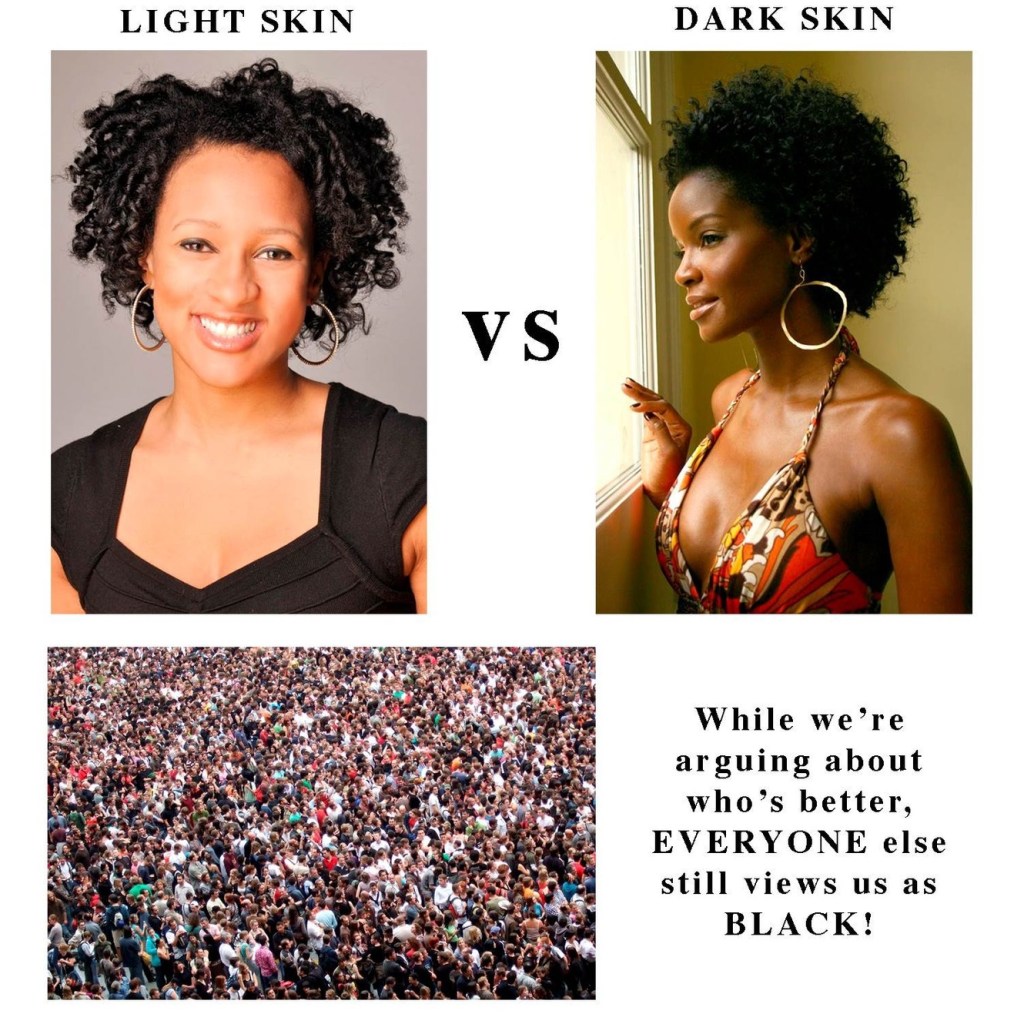
In class we were assigned a reading and to watch a video titled Black In Brazil. I found this an interesting topic because i was getting the opportunity to learn and experience another culture. What stood out to me specifically was how Henry Louis Gates described Brazil as a study of contradictions. I related this theory back to our culture here in America. What i took from it was how in Brazil they expand on how unified they are , but at the same time they have categories for each individual based off of their skin tone. I found that interesting because it separates people rather than bringing them altogether. I relate this back to African Americans in the USA because this is similar in the black community. There is a big light skin vs. dark skin debate that separates one race. Just how Brazilian Blacks categorize each other, African Americans does the same in a similar way. In Brazil they have about 134 different categories based off of skin tone. This systematic classifications separates rather than making everybody one.

 Daria Hawkins' Blog